
Your workplace safety program is only as good as what your team actually remembers. And we all know how most safety messaging gets ignored faster than a Monday morning email.
Here’s the reality: 85% of workplace injuries stem from human error, often because critical safety protocols simply didn’t stick. While you’re busy managing compliance, training schedules, and incident reports, your carefully crafted safety guidelines are gathering dust on break room walls.
That’s where smart safety slogans come in. Not the cheesy “Safety First!” poster from 1995, but messaging that actually cuts through the noise and sticks in people’s heads when it matters most.
Ready to make your safety messaging impossible to ignore?
Workplace safety is a comprehensive approach to preventing workplace injuries and illnesses through hazard identification, risk management, and behavioral change. It includes everything from physical safety protocols to creating a culture where employees actively prioritize safe practices in their daily work routines.
Most workplace safety programs fail because of communication breakdown. You’ve probably experienced this yourself: those same safety posters hanging in the break room for months, becoming as invisible as the coffee stains on the counter. This “safety messaging fatigue” is real and expensive, turning even well-intentioned programs into white noise that employees tune out completely.
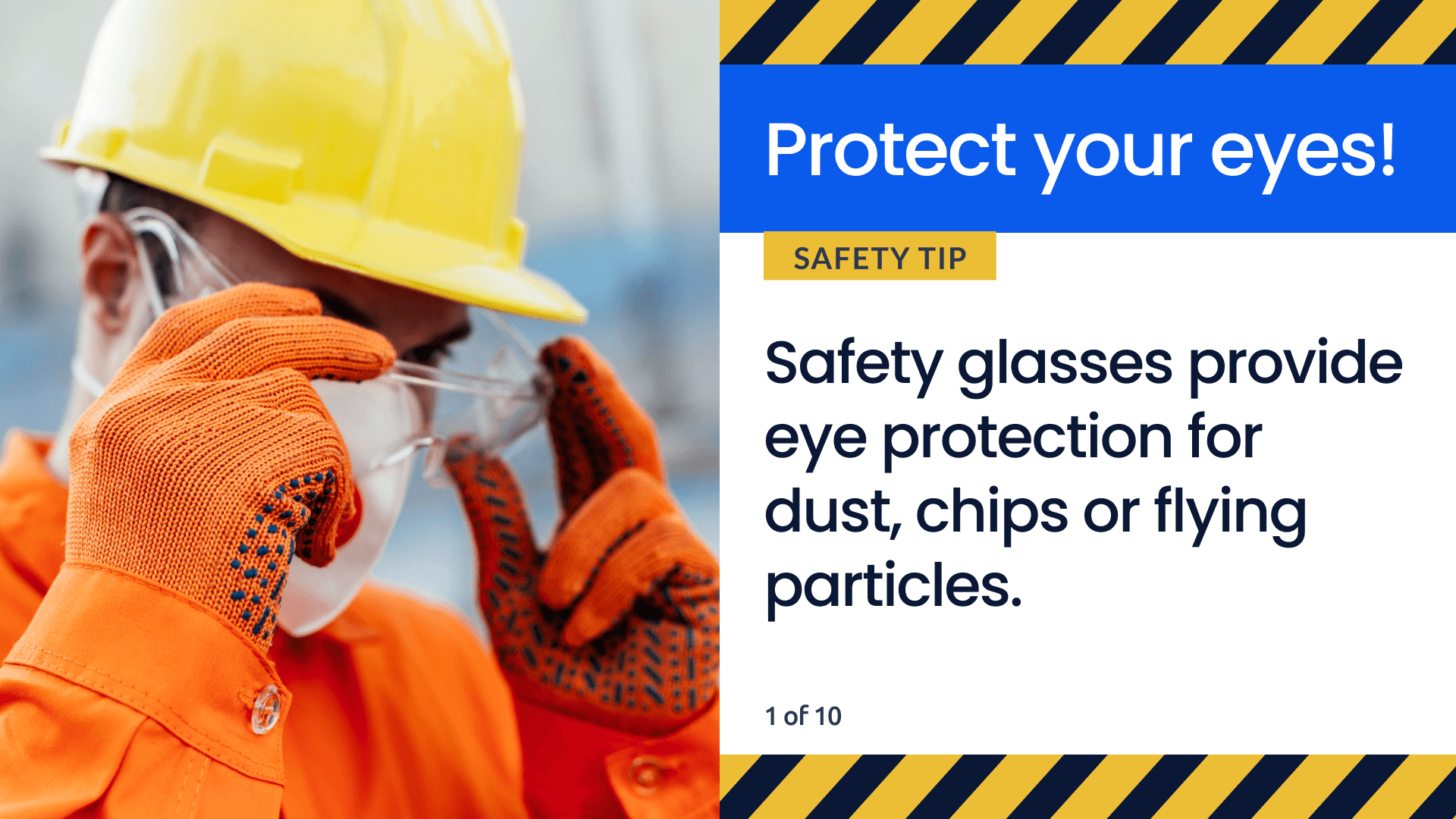
The solution isn’t more posters but smarter delivery. The good thing is that modern workplace communication platforms like Appspace let you rotate safety messages automatically, target specific departments with relevant content, and even push urgent safety alerts directly to employee devices when situations demand immediate attention.
“Catchy” isn’t just cute, it’s neurological. When you hear phrases with rhythm or rhyme, they activate multiple brain areas simultaneously, creating stronger memory pathways. That’s why you remember “Like a good neighbor, State Farm is there” but forget last Tuesday’s safety presentation. Research shows that messages combining sound patterns with emotional triggers are 65% more likely to stick when people actually need them.
The most effective safety slogans leverage several psychological triggers:
The magic happens when these elements connect to real workplace moments. “Think twice, cut once” works because it rhymes, creates a clear sequence, and hits right when someone picks up a blade. Even “corny” slogans stick because your brain grabs whatever’s most memorable during high-stress decision points.
Now that you know what makes safety slogans stick psychologically, let’s talk about putting that into practice. The best workplace safety slogans are targeted to specific environments and real situations your team faces daily. Start by identifying the top 2-3 safety risks in your workplace, then craft messages that create immediate mental connections to those scenarios.
Office safety might seem straightforward, but repetitive strain injuries and slip-and-fall incidents are surprisingly common. Your slogans need to address the “it won’t happen to me” mentality that comes with desk work while staying relevant to daily office life.
Construction sites demand immediate attention to life-threatening hazards. Your messaging needs to cut through noise, weather, and time pressure with urgent, action-oriented language that frontline workers can remember when they’re 30 feet up or operating heavy machinery.
Fast-paced industrial environments with heavy machinery require slogans that emphasize process and procedure without slowing down productivity. Focus on creating rhythmic phrases that workers can mentally recite while performing routine tasks.
Medical environments blend patient safety with worker protection, requiring slogans that emphasize both contamination control and personal safety. Messages should reinforce protocols that protect everyone in the facility.
Remote work brings unique safety challenges that traditional workplace safety programs miss entirely. Address ergonomics, mental health boundaries, and home office hazards with messages that acknowledge the blurred lines between work and personal space.
Safety messaging in 2025 is no longer a laminated poster gathering dust by a coffee machine. If your safety communication looks the same as it did five years ago, you’re losing people. You’re also potentially losing them to preventable accidents that cost way more than updating your approach.
Here’s what actually works when you need people to pay attention:
Colors are your first line of defense when someone’s brain is on autopilot. You want instant recognition without making people think:
When your color system is consistent, people start reacting before they even read the words. Miss this, and you’re asking people to process information when seconds matter.
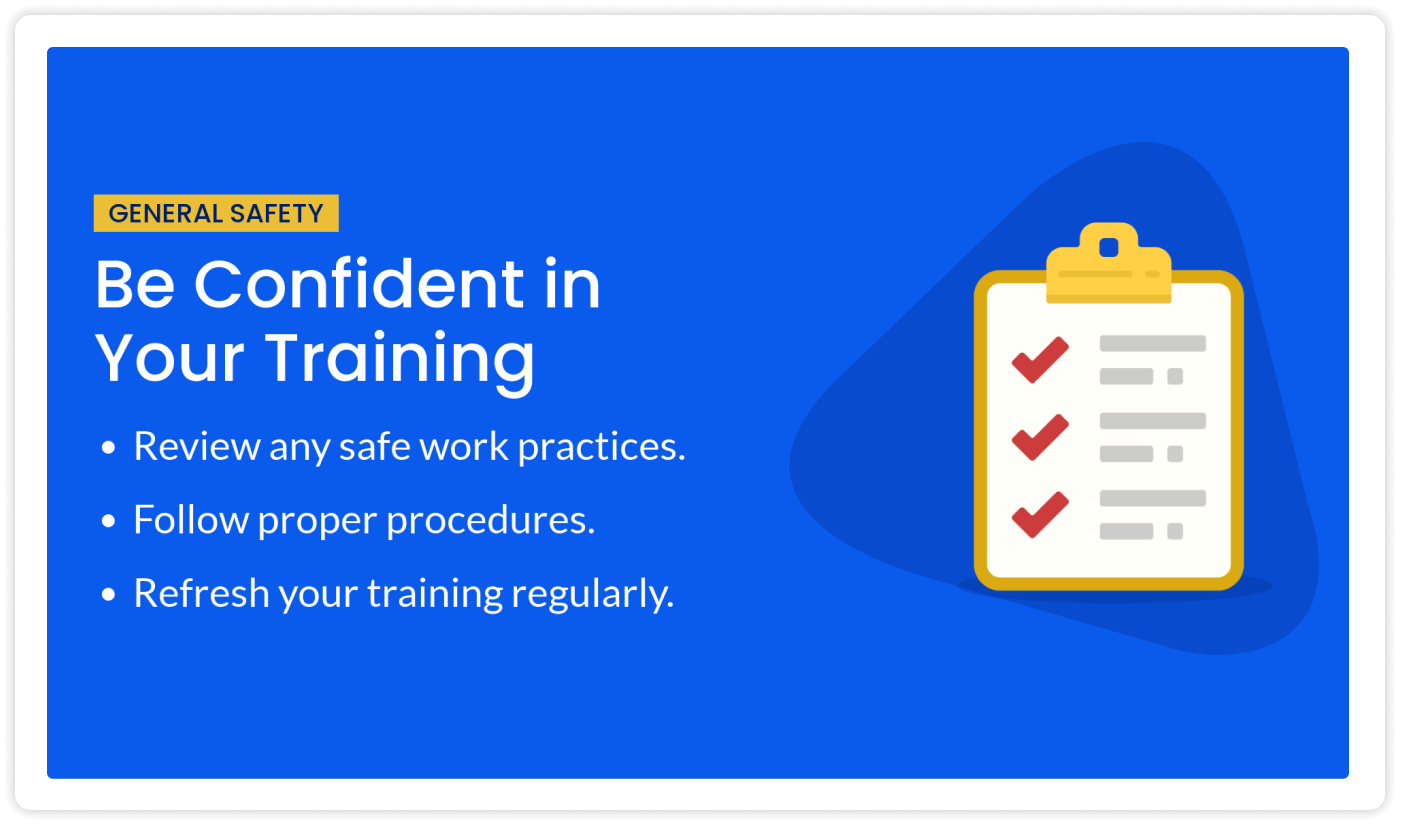
Static signage becomes invisible faster than last week’s lunch leftovers. Digital displays grab attention because they move, update, and stay relevant. But here’s the thing: if you’re manually updating content every few weeks, you’re already behind. Smart safety programs use platforms like Appspace that rotate content automatically, so your “Back Safety Week” message doesn’t become a permanent fixture that everyone ignores.
The payoff? Studies show digital safety displays reduce incidents by over 20% compared to static alternatives.
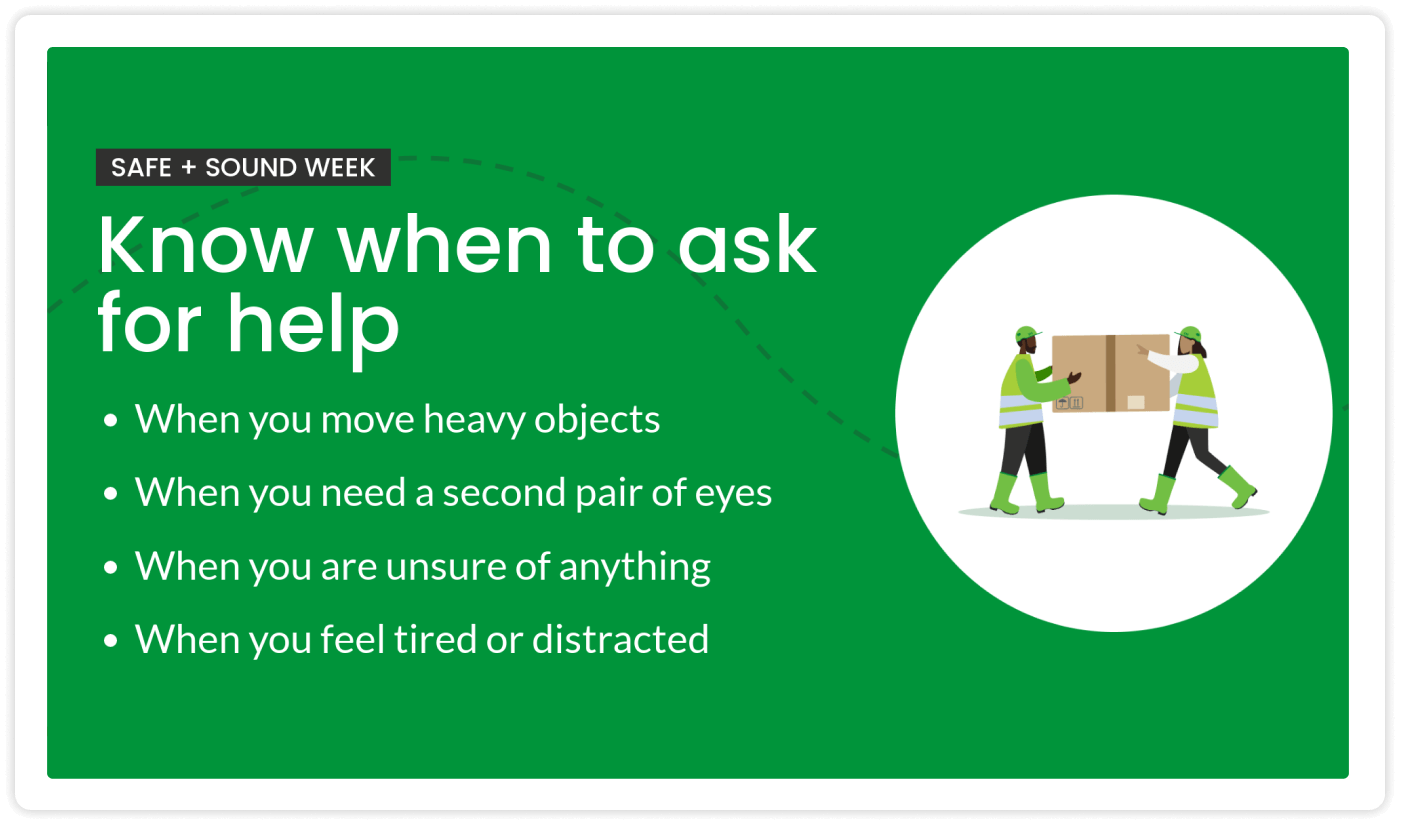
Find that middle ground: acknowledge the real risks without making people feel lectured. A little strategic humor works, but punch up at situations, not down at people.
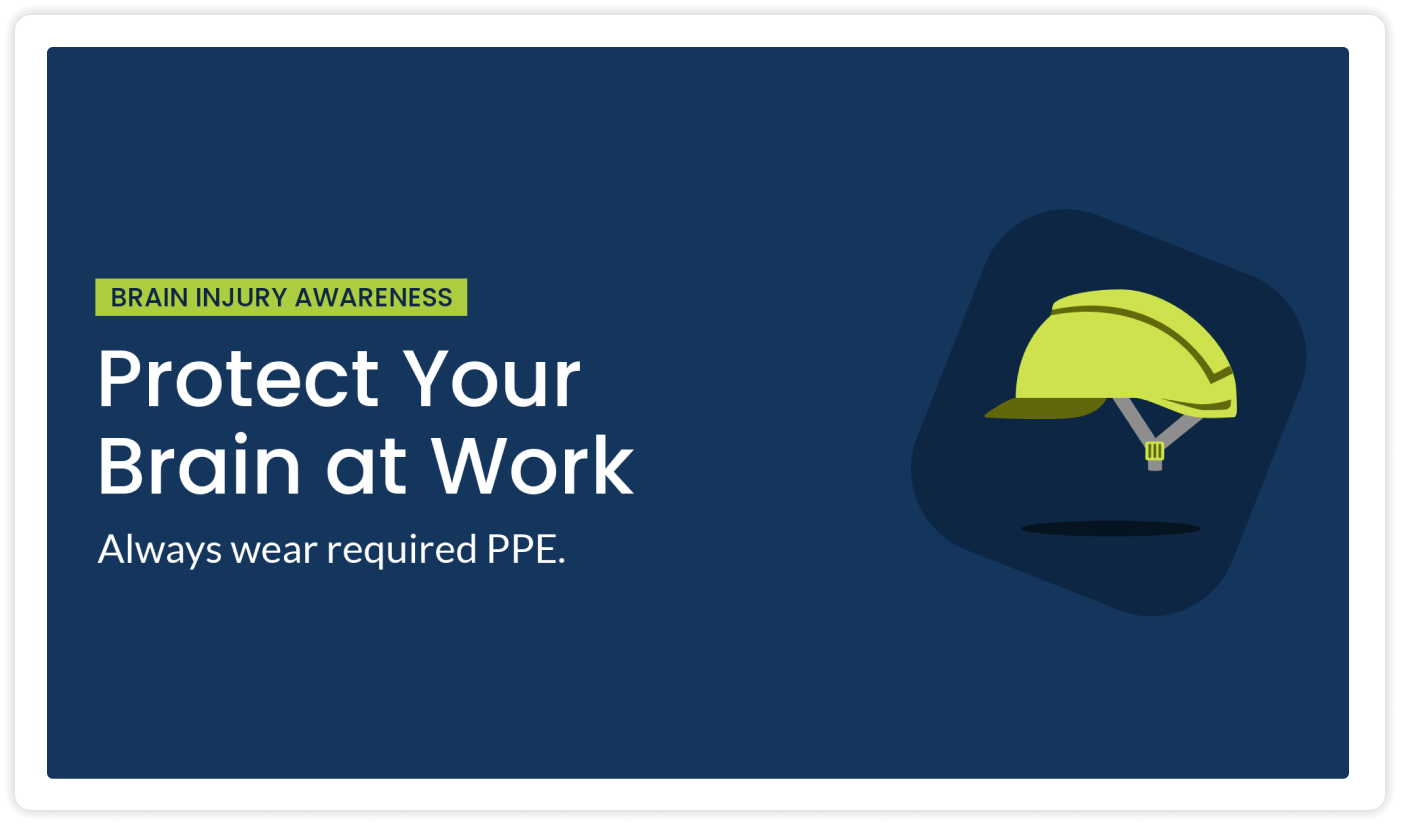
Interactive elements work when they solve real problems—like letting people report hazards on the spot or access equipment manuals instantly. But don’t add interactivity just because you can. The best interactive safety tools feel natural, like checking your phone, not like homework.
The reality check: Your safety messaging is competing with every notification, email, and distraction hitting your team daily. Rotate content every 10-14 days minimum, target different departments with relevant messaging, and make sure urgent alerts can reach people wherever they are. Because when someone’s about to make a safety mistake, hoping they remember last month’s poster isn’t much of a strategy.
Here’s the bottom line: a good workplace safety slogan isn’t workplace decoration, it’s behavioral engineering. When someone’s rushing to meet a deadline or distracted by the day’s chaos, the right phrase at the right moment can literally prevent an injury. But slogans are just the starting point. The real magic happens when you combine memorable messaging with smart delivery systems that reach people when and where they need reminders most.
Stop hoping people remember static messages and start making your safety communication impossible to ignore. Ready to see how modern workplace communication can transform your safety program? Try Appspace free for 14 days and discover how automated message rotation, targeted department alerts, and real-time safety notifications keep your team safer and more engaged.