
Registration is now open |
Learn more ›
REPORT
Your employees want connection and collaboration.
Are you giving them what they need to excel?
Appspace’s 2026 workplace trends and insights report highlights employees’ need for connection, clarity, and collaboration across office, remote, and frontline teams.
It highlights five key trends shaping workplace experience in 2026, including:
It also features strategies for:
72% of employees feel out of the loop on key workplace information updates.
81% say their organization lacks consistency across communication channels.
55% of employees say their organization struggles to connect the physical and digital workplace.
28% say a lack of visibility into who’s in the office vs. remote is the biggest cross-workplace disconnect.
78% of employees say workplace technology helps them feel connected to their organization and its mission.
87% say a well-connected workplace is important to realizing the full value of AI tools.
97%of employees say missing out on key information updates has negative emotional, tactical, and strategic impacts on their work
67% say poor communications and disconnected systems put their organization’s overall success at risk.
When employees are consistently kept in the know, 91% are more likely to be engaged and motivated in their work, as well as feel more aligned with their organization’s goals.


Informed and engaged employees are one of the most valuable parts of your organization. This has always mattered. But in 2026, the stakes are higher than ever.
Your team members want a work experience that feels personal and relatable. That’s true of every worker – whether they’re in the office, at home, or on the front line.
But leaders are finding out that “good enough” isn’t cutting it anymore.
We surveyed 1,000 workers across the U.S. and U.K. to better understand where the workplace experience shines, and where it falls short. In this report, we’ll dive deep into our findings and present actionable suggestions you can take away to build a better work experience in 2026.
This past year, employees felt increasingly disconnected from critical updates and information that directly impacts their work.
The issue is alarmingly commonplace. 72% of employees have felt out of the loop on key workplace information updates in the past 12 months. And 78% believe their organization could do a better job at sharing important information and updates.
At many organizations, the culprit is inconsistent communication.
81% of respondents say the messages their organization delivers lack consistency across communication channels. (This has worsened since last year’s iteration of this report, where just 69% of respondents said the same thing.)

Top outcome
1. Lack of consistent communication channels
2. Poor timing of communication (e.g., sent too late to act on, sent outside of working hours)
3. Lack of visibility across teams or departments
4. Feeling overwhelmed by too many messages/channels
5. Information is buried in long or unclear messages
% of respondents
36%
34%
27%
26%
24%
When asked about the ways their workplace can improve their experience, it’s no surprise that employees prioritized more consistent communication.
In last year’s report, “helping employees work more collaboratively” (this year’s #3) was the top-ranking area of improvement. The issue of delivering consistent communication across channels – this year’s leading response – didn’t even rank in the top 5.
This highlights the surging need for organizations to rethink how they approach their communication strategy.
Frontline workers are most impacted when they miss out on key information, according to 37% of respondents. This includes workers who are on the road, on the factory floor, and in the storefront.
(By comparison, 29% of respondents said that individual contributors are most impacted, while 19% said all employee groups are equally impacted.)
Inconsistent communication is also keeping frontline workers out of the loop on important work information and updates. 84% of employees said their organization could do a better job at providing consistent communication and important updates to frontline workers.
Meanwhile, 39% of employees said their organization’s communication about important updates and information is inconsistent. For frontline workers, this causes confusion, creates delays, or cuts them out of the conversation entirely. Meanwhile, another 44% of respondents said their organization is generally consistent, but has room for improvement. (That makes a total of 83% of organizations that could stand to sharpen their communication strategies.)
Too many employees are being left out of the know. Communication is inconsistent across channels and platforms. Critical information is trapped in tools workers don’t actively use. Daily work is plagued by fragmented experiences and disconnected workflows.
The solution isn’t another app. It’s a smarter approach to your strategy.
Move away from fragmented email chains and spammy chat pings. Instead, create a central and accessible source of truth. Your team needs a reliable place to find accurate, up-to-date info without having to search through multiple apps.
And remember to tier your messaging. A corporate policy change and a cafeteria menu update shouldn’t be pushed at the same level of information importance.
If you have fragmented tools, you’ll send fragmented messages. Solve this by unifying your comms into a singular platform that syncs across all your channels. Aim to send messages simultaneously and consistently across your communication apps, employee engagement tools, and digital signage. Your message should be the same no matter where the employee sees it.
Plus, ensure your communicators are on the same page, too. Who’s responsible for sending which type of messaging? Have a clear playbook so comms don’t fall through the cracks.
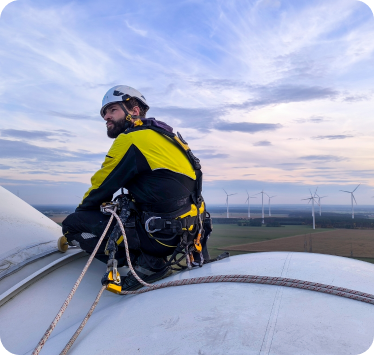
Frontline employees are uniquely impacted when they miss out on information. So meet them where they actually work. Identify high-visibility ways to ensure communications get in front of them – for example, digital signage in shared spaces or mobile tools that fit into their on-the-go workflow. Your goal is to make your deskless staff feel as informed and connected as your white-collar teams.
Let’s have a quick conversation tailored to your workplace.
Consistent, effective communications have never been more essential, especially given the widespread shift to remote and hybrid work.
Eight in 10 of this year’s respondents work at organizations that offer hybrid and/or fully remote work. Nearly half (48%) spend some or all of their time working outside of the office.
Yet, even with remote and hybrid work now the norm, there’s still a disconnect between in-person and remote work experiences. 55% of employees agree that their organization struggles to connect the physical and digital workplace.

Top outcome
1. Difficulty sharing updates consistently across in-person and digital channels
2. Difficulty ensuring frontline workers have access to the same information as office staff
3. Lack of visibility into who is in the office vs. working remotely
4. Different tools used to manage physical vs. digital workflows
5. Difficulty reserving or accessing workspaces and meeting rooms
% of respondents
38%
37%
28%
25%
15%
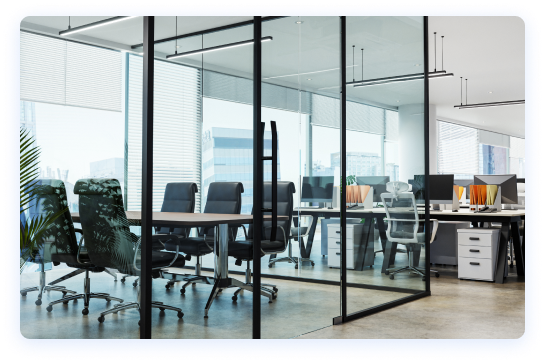
These gaps pile up quickly in hybrid environments. Unclear, inconsistent, or delayed communication derails collaboration – whether teams are in the office, remote, or somewhere in between. 87% of respondents said they face challenges when trying to collaborate with colleagues in a hybrid or remote work environment.
Many company leaders are calling for greater collaboration across working environments. But in practice, employees still struggle to bridge workflows and align their in-office days with their peers. This turns potential points of engagement into missed opportunities.
Biggest challenge
1. Lack of consistent communication across different channels (e.g., email, chat, intranet)
2. Limited visibility into colleagues’ schedules or availability
3. Not knowing when colleagues will be in the office
4. Digital collaboration tools don’t integrate well with in-person workflows
5. Tools for coordinating in-person collaboration are unreliable or unused
% of respondents
44%
29%
23%
22%
21%
A successful, supportive hybrid workplace depends on having a fully connected experience. However, despite the widespread adoption of hybrid, there’s still a gap between the physical and the digital workplace.
Meanwhile, organizations continue to operate office spaces that swing between overcrowded and empty. This drives up costs while undermining the very collaboration these physical spaces are meant to support.
Here’s what you can do to fix what’s breaking these critical connections.
Rows of unassigned desks feel empty and isolating. Instead, try recalibrating them as “neighborhoods”. These are designated zones for specific teams or project squads, with specific office days to get the full group on-site at the same time.
With this model, when an employee makes the commute, they aren’t just whiling away their workday in a quiet room. They’re surrounded by their closest collaborators and the collective energy they need to do their best work.
Your team’s lack of consistency across in-person and digital channels is a primary hurdle to successful collaboration. Remote employees often feel out of sync with their on-site counterparts.
Ensure your physical space actively reflects your digital conversations, and vice versa. Display the same project milestones, team shout-outs, and corporate updates. When building corporate policies, pay explicit attention to how they can best serve workers across both environments. Explore tools that help build both functional and emotional engagement. Aim to put every employee on the same page, regardless of which office they’re in.
Guesswork shouldn’t guide how much space your organization needs, or how it should be shaped. Use real data from your room and desk bookings to identify exactly which areas are hottest and coldest.
Do large conference rooms sit empty while smaller huddle spaces are constantly overbooked? Reconfigure your floorplan to match observed behaviors, as well as guide them toward the ways you want them to collaborate.
Pressure-test these findings against what you’re seeing right now.
The right workplace communications technology suite can help alleviate the core pain points that cause people to miss critical updates in the first place. Employees point to these recurring barriers:
The right technology tools and platforms can help support employees in the exact areas where communication breakdowns are most common.
Employees prioritize consistent communication as the most important capability to have at their disposal.
Capability
1. Consistent communication and content sharing across all channels and devices
2. Easy access to files, knowledge, and company resources from a single hub
3. Real-time information sharing across locations through digital displays or signage
4. Seamless coordination of work schedules, meetings, and tasks across teams and spaces
5. AI-powered recommendations that provide personalized and relevant updates
% of respondents
45%
38%
31%
26%
23%
When employees are equipped with the right workplace technology tools and platforms, they feel…
More informed:
76% say it helps them understand what’s going on across the company.
81% say it helps them access timely company news and information.
More connected:
81% say it helps them feel more connected to their colleagues.
85% say it helps them collaborate with coworkers on work-related tasks.
More engaged and effective:
79% say it helps them share their ideas and perspectives with others.
82% agree their organization’s workplace technology tools and platforms help them be involved in projects, whether they’re working remotely or in person.
Employees feel the difference when organizations invest in connected, integrated solutions. So does the business. In fact, 78% of employees agree workplace technology helps them feel connected to their organization and its mission. And 87% say that a well-connected workplace is important to realizing the full value of AI tools.
Most organizations have significant work to do to improve their technology stack. A sizable portion of employees continue to have average or subpar experiences with many of their current technology capabilities.
These numbers are virtually unchanged from last year, underscoring that technology shortcomings remain an ongoing challenge in hybrid and geographically dispersed work environments.
The technologies you use are essential to solving the disconnection epidemic, as well as alleviating pressures that can disrupt business growth. The right tech tools and platforms are the crucial link in creating a modern workplace where every employee gets in the know and stays there.
And these tools don’t just facilitate engagement. They equip your entire organization to adapt, innovate, and thrive amidst change.
A poor tech experience isn’t always obvious. But it leaves clear footprints in data. Look for low engagement rates in company-wide messages, lagging adoption of communication tools, and surging helpdesk requests. Survey employees to see if they feel in the loop, or if they feel overwhelmed and annoyed by existing tools.
If you’ve identified the need to update your communications technology, look for a solution that prioritizes consistent content sharing across every channel and device.
The ideal platform doesn’t just add more noise. It unifies your digital and physical touchpoints into one cohesive experience. And it should be as intuitive to use as the apps your employees use in their personal lives.
For a majority of employees, workplace tech helps them feel connected to their company and its goals. So prioritize building this organizational trust using your communication channels.
Openly share the “why” behind major company decisions, such as how you plan to use emerging tech like AI. Pair this with real-time celebration of wins and milestones to create a greater sense of belonging.
We can cut through the noise in one quick conversation.
When employees don’t get the right information at the right time, they miss key opportunities to advance organizational goals.
More than two-thirds (67%) of employees said poor communication and disconnected systems significantly put their organization’s overall success at risk.
The ramifications of information breakdowns extend into day-to-day work. 97% of employees said missing out on key information updates negatively impacts their work. We found that these impacts strike in three areas:
Largest negative impact
1. (Tie) Increased personal stress, frustration, or isolation
1. (Tie) Mistakes, errors, or overlooked tasks
2. Lower productivity
3. Decreased trust in organizational leadership
4. (Tie) Difficulty connecting or collaborating with coworkers
4. (Tie) Slower or less confident decision-making
4. (Tie) Missed deadlines or delays
5. Lower overall engagement with work
6. Safety or compliance risks
% of respondents
39%
39%
29%
26%
24%
24%
24%
22%
17%
Poor communication is outpacing other longstanding workplace issues, such as problems around IT, workflows, and knowledge availability. Since last year, collaboration has shot up to become the most commonly cited workplace challenge.
What’s the biggest challenge in the workplace over the past 12 months?

Biggest challenge
1. Collaborating across teams, departments, and/or locations
2. Solving technical/IT issues
3. Following workflow processes using consistent tools and platforms
4. Communicating quickly and seamlessly across platforms and devices
5. Locating specific files or people with specific expertise
6. Finding and sharing organizational knowledge
2026
24%
19%
14%
12%
7%
6%
2025
17%
22%
9%
16%
9%
11%
When employees feel out of the loop, consequences run deep. Organizations don’t only struggle with cultural elements – such as fostering employee engagement and belonging – but also with critical components of business growth, like productivity, efficiency, and collaboration.
What outcome do organizations struggle most to achieve because employees aren’t kept in the know?
Outcome
1. Greater trust in leadership and organizational direction/strategy
2. Higher employee engagement
3. Stronger sense of belonging among employees
4. Increased productivity
5. Increased efficiency
% of respondents
33%
32%
26%
23%
22%
From diminished collaboration and lower engagement to declining trust in leadership and weaker alignment with organizational goals, the risks of failing to keep employees informed are real and measurable. There are significant consequences for employees, workplace culture, and business performance.
Workplaces where employees fall through communication gaps end up out of sync and underutilized. Employees face lower productivity, reduced collaboration, and diminished quality of work. Organizations struggle with weaker engagement and a lack of alignment around leadership and strategy. In the end, workplace disconnection isn’t just bad for employees, it’s bad for business.
Let’s set up clear next steps.
Your company stands to gain immense value when every employee is informed, aligned, and engaged.
First off, clear and consistent information is a powerful asset. It drives employee engagement, enhanced collaboration, and alignment with organizational leadership.
When employees are consistently kept in the know, they’re…
More motivated:
91% are more likely to be engaged and motivated in their work.
More connected:
91% feel more connected with their coworkers and colleagues.
More innovative:
89% are more likely to contribute new ideas and solutions.
More confident:
94% feel confident in their role.
More on board with business strategy:
91% feel more aligned with their organization’s goals.
The impact doesn’t stop at employee well-being. The data shows a wide array of benefits for organizations that keep employees consistently in the loop – from improved compliance and risk reduction to more innovative, forward-thinking company culture.
Outcome
1. Higher employee engagement
2. Increased productivity
3. (Tie) Increased efficiency
3. (Tie) Greater trust in leadership and organizational direction/strategy
4. (Tie) Stronger sense of belonging among employees
4. (Tie) Faster decision-making and problem-solving
5. (Tie) Improved compliance and reduced risk
5. (Tie) Stronger alignment between workflows and organizational goals
% of respondents
28%
27%
24%
24%
21%
21%
20%
20%
At the same time, organizations will spend this year navigating economic uncertainty, rapid shifts in the job market, and the accelerating impact of AI. Having a workplace that communicates smoothly, consistently, and in real time is essential for staying resilient and ahead of the competition.
95% of employees say being consistently in the know at their workplace would make them feel more confident during times of uncertainty.
These numbers are virtually unchanged from last year, underscoring that technology shortcomings remain an ongoing challenge in hybrid and geographically dispersed work environments.
Consistent, clear communication across channels and devices ensures every employee receives the right information at the right moment, no matter where they’re working or what tools they’re using.
Although many organizations still fall short of this ideal, there’s another side to the story that should motivate progress. When organizations get communication right – and successfully bridge the gap between the digital and physical workplace – employees feel informed and empowered. They move faster, collaborate more effectively, and stay engaged.
Ultimately, organizations reap the benefits, with greater internal alignment and more effective execution to support key business outcomes. Strong, consistent communication is a strategic advantage. And it’s often the difference between an organization that leads and one that falls behind.
Short call, long-term clarity.

While both U.S. and U.K. teams share many of the same challenges, where your employees log in from can have a big impact on how they experience your workplace. U.K. respondents tend to indicate greater friction across coordination, productivity, and hybrid visibility.
Hybrid work models tend to be more common among U.K. workers. Nearly half (48%) of U.K. employees say that they work hybrid, while only a quarter (25%) of U.S. employees say the same.
But despite the relative commonality of hybrid work in the U.K., communication is an enduring problem. Nearly half of U.K. (42%) and 45% of U.S. employees say that a lack of consistent cross-channel communication poses a significant challenge to hybrid and remote work.
Meanwhile, three-quarters (74%) of U.S. employees cite a disconnect between their physical and digital workspaces, slightly higher than the U.K.’s 61%. One of the biggest challenges to collaboration is not knowing when colleagues will be in the office. Over a quarter (27%) of U.K. employees say they struggle with this, compared to just 19% of U.S. employees.
Communication is a major driver of productivity within U.K. teams. More than a quarter (28%) of U.K. employees feel a lack of updates holds them back, compared to 17% in the U.S.
Maintaining communication with frontline workers is a hot topic across the pond. When it comes to supporting the frontline, almost half (48%) of U.K. employees say their organization can improve, versus 39% of U.S. respondents.

While every generation wants to do their best work, the quality of the employee experience can depend on when they started their careers. Gen Z and Millennial respondents tend to struggle with a disconnected workplace more acutely than more seasoned professionals.
Keeping everyone in the loop is a challenge that spans every age group, but younger workers are the most likely to feel left out. Three-quarters (75%) of Millennials and 73% of Gen Z employees say they occasionally or frequently feel out of the loop on key workplace updates.
In comparison, Baby Boomers find it easier to stay connected, with only 60% reporting the same feeling of isolation.
Six in ten (60%) Gen Z and Millennial employees believe their organization struggles to connect the physical and digital workplace.
This disconnect makes collaboration a major hurdle for younger talent. In fact, an overwhelming majority of Gen Z (88%), Millennials (90%), and Gen X (84%) face challenges when trying to collaborate with colleagues in a hybrid or remote setting. Meanwhile, only 70% of Baby Boomers say the same.
When it comes to the future of workplace technology, the age of the team can dictate their appetite for new tools.
Over a quarter of Gen Z (27%) and Millennials (25%) rank AI-powered personalized updates as a top way to help them stay informed. Only 7% of Baby Boomer employees see it as a leading opportunity.
Just as age and location influence how employees interact with the workplace, their specific department plays a major role in how they receive and process information. However, each team faces unique struggles when trying to stay connected.
The largest issue that Operations teams face is feeling connected to all aspects of the business. About one-third (32%) of Operations employees rank collaboration across teams, departments, and locations as their biggest workplace challenge.
Meanwhile, nearly half (44%) of Operations employees say they regularly miss key information because of inconsistent communication channels.
They were also least likely to agree that workplace technology helps them understand what’s going on across the company, stay involved in projects, or feel connected to their organization and its mission.
Since Operations roles often involve moving around physical spaces, this suggests that “desk-first” communication and collaboration strategies aren’t as effective at connecting them to the rest of the business.
Marketing teams face the highest level of disconnect from organizational updates. Almost all (91%) of Marketing employees say they feel out of the loop at their company. And nearly half (47%) say they miss key updates because they feel overwhelmed by too many messages and channels.
This department is meant to be the voice of the brand. How are they supposed to effectively advocate if they’re out of touch with what’s new and noteworthy? Based on these findings, it’s a good idea to cultivate opportunities for engagement specifically targeted at Marketing employees.
Technical and financial teams are most likely to have settled into a groove with their workplace technology. Nearly all (96%) of Finance employees say that workplace tech helps them stay involved in projects, whether they’re working in-person or remote.
Similarly, IT and digital teams are most confident in their internal communications. 87% of them say that their organizations are doing a good job of keeping them informed.
By looking at the tools and workflows that these teams trust, companies can build a blueprint for success to share across other departments.


In late 2025, Appspace surveyed 1,000 full-time, 18+ employees in the U.S. and U.K., working at organizations with more than 1,000 employees. This data is compared to findings from a previous Appspace survey in late 2024, which included 2,000 U.S. and U.K. employees.
Appspace is the workplace experience platform that keeps everyone in the know. Empower your entire workforce with a single platform for employee communications, digital signage, space reservation, visitor management, and more. Join more than 160 Fortune 500 companies and 12 million on-site, remote, and frontline employees who rely on Appspace every day.
Learn more at Appspace.com.

© 2026 Appspace Inc. Appspace is a registered trademark of Appspace Inc. All rights reserved.


© 2026 Appspace Inc. Appspace is a registered trademark of Appspace Inc. All rights reserved.